TIVDAK Eye Care and Treatment Preparation Guide
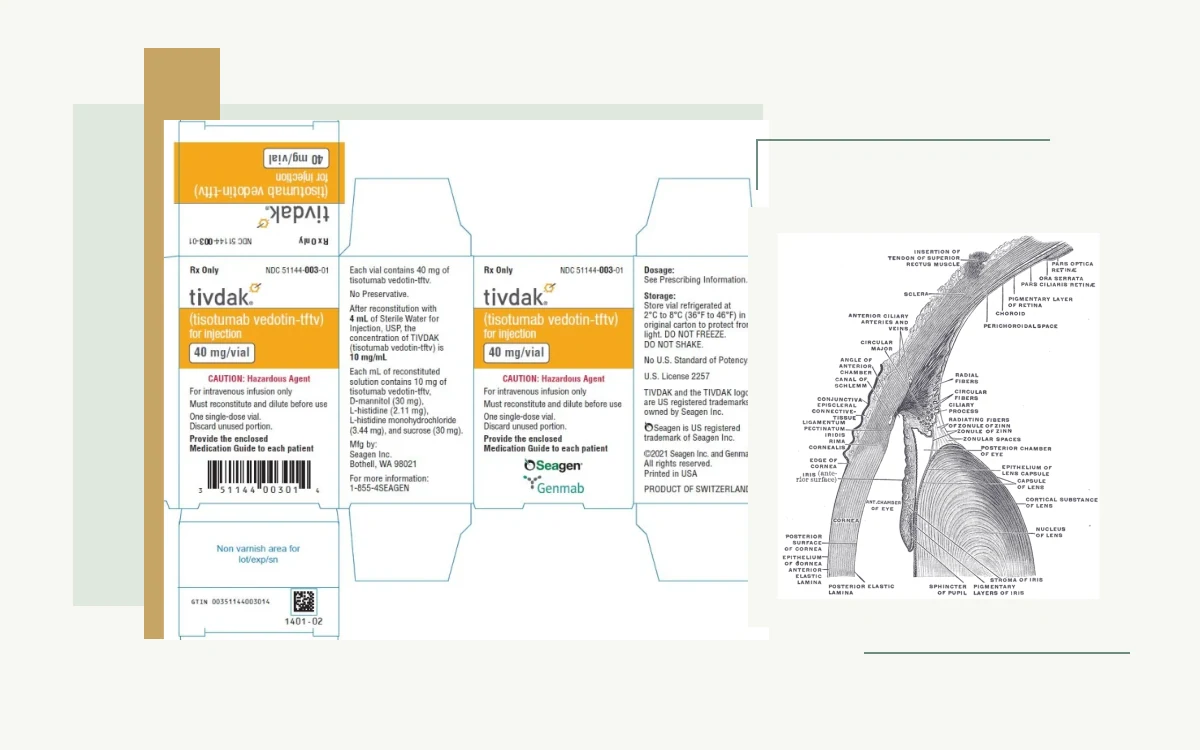
In the United States, TIVDAK is indicated for adults with recurrent or metastatic cervical cancer whose disease has progressed during or after chemotherapy. TIVDAK treatment involves an eye care protocol due to the risk of severe ocular toxicity. This guide outlines the required eye monitoring, precautions, and vital questions to discuss with your healthcare provider before starting treatment for adults with recurrent or metastatic cervical cancer with disease progression on or after chemotherapy.
Boxed Warning for Severe Ocular Toxicity
TIVDAK carries a boxed warning—the most serious type of warning issued by the FDA—for severe ocular toxicity. Treatment can cause severe ocular toxicity, including changes in vision, severe vision loss, and corneal ulceration [1]. Because of these severe risks, the label requires an eye care and monitoring protocol for anyone receiving this medication. Your clinical team will arrange the necessary precautions to manage your eye health.
Required Eye Examinations
To monitor for signs of toxicity, the label requires a comprehensive eye exam by an eye care professional before initiating TIVDAK and before every single cycle for the first nine cycles [1]. After the ninth cycle, eye exams are conducted as clinically indicated. Even if the scheduled exams become less frequent, symptom monitoring remains essential throughout the entire course of treatment. This medication is indicated for adults with recurrent or metastatic cervical cancer whose disease has progressed on or after prior chemotherapy [2], and managing its side effects is a core part of the treatment regimen.
Preventive Care and Precautions
To mitigate eye risks, your clinical team will prescribe specific premedications and an eye drop regimen, and they will apply cold pads to your eyes during the drug administration. It is important to follow the clinician-prescribed eye drop schedule. Do not substitute or adjust the prescribed regimen without clinical advice. Additionally, contact lenses must be avoided entirely unless explicitly permitted by your eye care professional.
Avoid contact lenses during treatment unless your eye care professional advises otherwise. Contact your treating team promptly for any new or worsening eye symptoms. Eye examinations continue after the first nine cycles when clinically indicated; symptom monitoring continues throughout treatment.
Monitoring and Escalating Symptoms
If you experience any new or worsening vision symptoms—such as blurry vision, dry eyes, redness, or pain—you should contact your clinical team promptly so your doctor can adjust the dose or pause the medication to manage the toxicity. Alongside ocular risks, TIVDAK carries major warnings for peripheral neuropathy (nerve damage), severe hemorrhage (bleeding), pneumonitis (lung inflammation), severe skin reactions, and embryo-fetal harm. Promptly reporting any new symptoms, such as a new cough or numbness in your hands, is equally critical.
Questions to Ask Before Treatment
Before starting TIVDAK, have a detailed discussion with your doctor. Ask: How will my required eye exams be coordinated with my infusion schedule? What specific symptoms should prompt an immediate call to the clinic? How do we monitor for other major risks like nerve damage, bleeding, skin reactions, and lung inflammation? Ensure you have a clear plan. To request coordination support for your oncology consultations, visit our triage page.
Indication, source date and coordination scope
In the United States, TIVDAK is indicated for adults with recurrent or metastatic cervical cancer whose disease has progressed during or after chemotherapy.
Source scope: US prescribing information revised November 2025, checked 17 September 2026. This US indication does not establish authorization, stock or access in China. Uwell coordinates enquiries and records; clinical decisions and medical fees remain with the provider.
Sources
[1] Pfizer US Prescribing Information: TIVDAK (Dosage and Administration, Warnings and Precautions)
[2] FDA: FDA approves tisotumab vedotin-tftv for recurrent or metastatic cervical cancer
Frequently asked questions
Can I skip an eye exam if my vision feels perfectly fine?
Can I substitute the eye drops for a different brand?
This article was produced with AI assistance and reviewed against Uwell Cloud editorial and compliance standards.