LONSURF Guide: Ingredients, US Indications, and Oncology Visit Tips
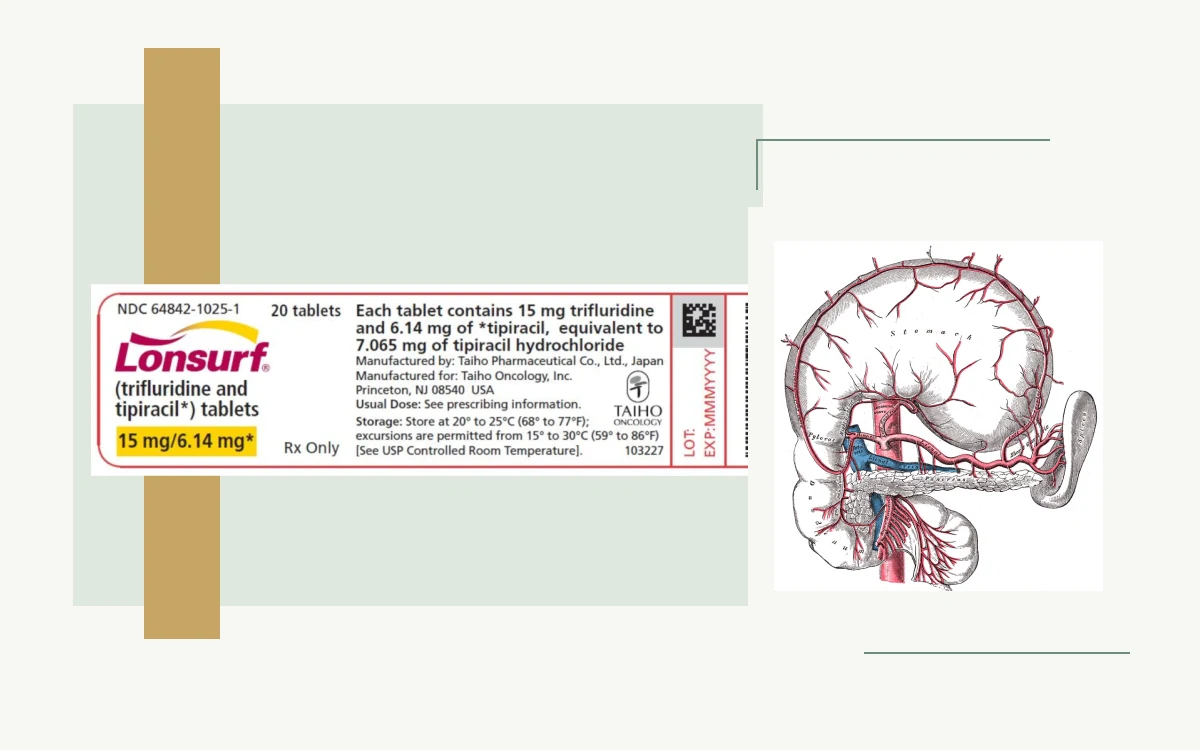
Understanding your cancer treatment options and actively communicating with your oncology care team is essential for a safe and informed medical journey. This article provides an educational overview of LONSURF, its active ingredients, authorized uses in the United States, important safety warnings, and vital questions to ask during your clinical visits.
Name and Ingredients
LONSURF is a prescription medication whose active ingredients are trifluridine and tipiracil. When researching medications, it is critical to confirm the actual prescription with a qualified clinician or pharmacist. Do not rely on self-identification from web searches or potential spelling typos, as accurate medication identification is fundamental to patient safety. The combination of trifluridine and tipiracil works in specific ways that only a licensed medical professional should assess for your individual situation.
US Adult Indications
In the United States, LONSURF is indicated for adults with metastatic colorectal cancer (mCRC) as a single agent or in combination with bevacizumab. This applies to patients who have been previously treated with fluoropyrimidine-, oxaliplatin-, and irinotecan-based chemotherapy, an anti-VEGF biological therapy, and, if RAS wild-type, an anti-EGFR therapy. For more details on the combination approval, you can refer to the August 2, 2023 FDA combination approval.
Additionally, it is indicated for adults with metastatic gastric or gastroesophageal junction (GEJ) adenocarcinoma who have been previously treated with at least two prior lines of chemotherapy that included a fluoropyrimidine, a platinum, either a taxane or irinotecan, and if appropriate, HER2/neu-targeted therapy. Please consult the manufacturer's current US Prescribing Information for comprehensive details.
Note that US indication does not establish China authorization, stock, or access.
Safety and Monitoring Warnings
LONSURF can cause severe myelosuppression (low blood cell counts) and harm to an embryo or fetus. The US label calls for complete blood counts before each treatment cycle and on day 15 of each cycle, with additional checks when clinically indicated. Ask the oncology team about pregnancy-related precautions, infection symptoms and how to obtain urgent help. This article gives no dosing instructions. Contact the treating team promptly about concerning symptoms and follow the action plan they have prescribed; do not make treatment decisions from this article.
The US manufacturer label advises females of reproductive potential to use effective contraception during LONSURF treatment and for at least 6 months after the final dose.
Oncology Visit Questions
When visiting your oncology team, proactive communication is essential. Ask your care team about the specific symptoms of infection you should be watching for and establish a clear plan for urgent medical contacts outside of normal clinic hours. Additionally, inquire about your personalized lab plan, ensuring you understand when and where your blood count monitoring will take place. Keeping a strict schedule with these blood tests is critical to managing the risk of myelosuppression.
Important Disclaimers and Care Coordination
This educational article was prepared with AI assistance and does not replace individual professional advice. Uwell coordinates enquiries and records. Clinicians make clinical decisions; healthcare providers quote and collect medical fees directly.
Sources and review date
Historical source check: 17 September 2026. Current source recheck: 10 October 2026.
Frequently asked questions
Can I adjust my LONSURF dosage if I experience side effects?
Does the US approval mean the drug is available in China?
This article was produced with AI assistance and reviewed against Uwell Cloud editorial and compliance standards.