TIVDAK for Recurrent Cervical Cancer: innovaTV 301 Evidence
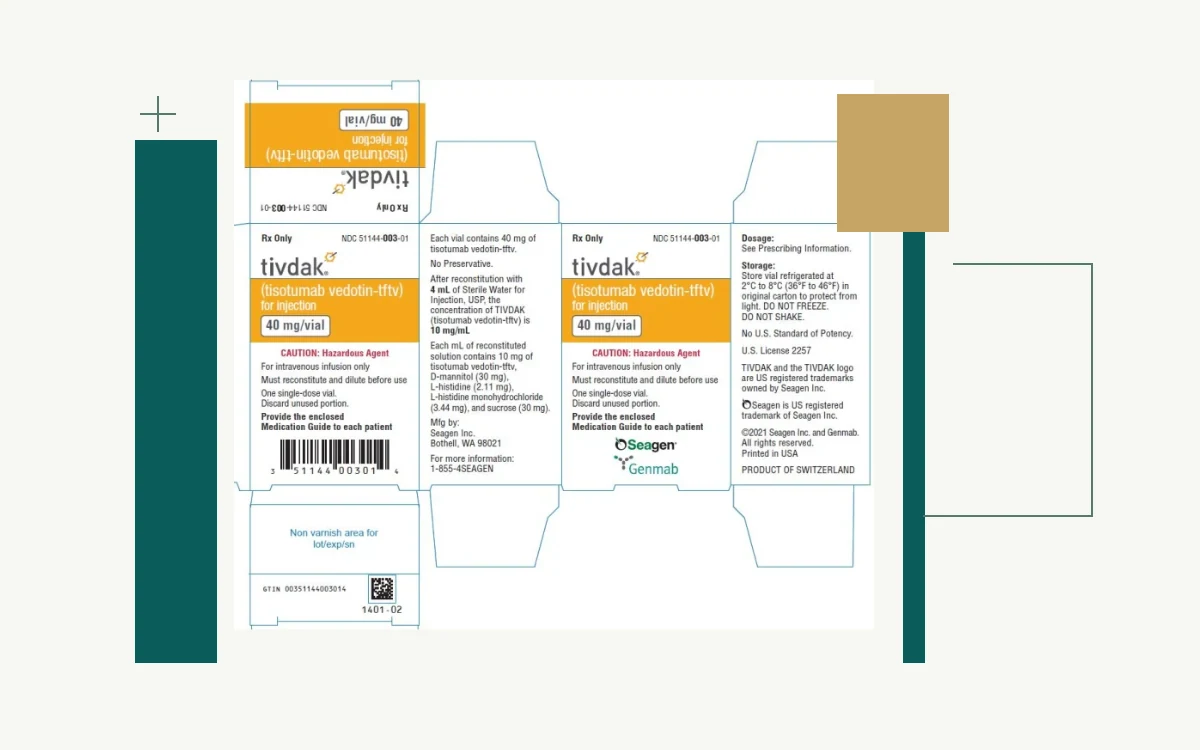
In the United States, TIVDAK is indicated for adults with recurrent or metastatic cervical cancer whose disease has progressed during or after chemotherapy. The full US FDA approval of TIVDAK in 2024 for adults with recurrent or metastatic cervical cancer with disease progression on or after chemotherapy was supported by the innovaTV 301 clinical trial. Understanding this evidence can help patients and families have informed discussions with their clinical team.
The innovaTV 301 Clinical Trial Overview
The innovaTV 301 trial was a randomized, open-label study involving 502 patients with recurrent or metastatic cervical cancer. The participants had previously received one to two prior systemic regimens, and their disease had progressed. Patients in the study were randomly assigned to receive either TIVDAK or the investigator’s choice of chemotherapy from the trial’s specified options [1]. The primary goal of the trial was to compare overall survival between these two groups of patients.
Key Survival Findings and Group Estimates
The trial reported a median overall survival of 11.5 months for the group of patients receiving TIVDAK, compared to 9.5 months for the group on standard chemotherapy (Hazard Ratio 0.70; 95% CI: 0.54-0.89) [2]. It is crucial to understand that medians are group-level estimates, not individual forecasts. Outcomes vary, and this median survival data does not predict individual response.
Interpreting the Evidence
The evidence from innovaTV 301 demonstrates that TIVDAK can extend survival compared to the specific randomized comparator chemotherapies used in this trial population. However, this result does not establish comparative superiority against all possible treatments for cervical cancer, nor does it imply effectiveness in other cancer types under the US indication. The trial was conducted on a specific group of patients—those meeting criteria similar to the ECOG 0-1 performance status. The generalizability of these findings is limited, and a clinician must assess how well this data applies to your unique medical situation.
Trial Exclusions and Patient Suitability
The innovaTV 301 trial excluded patients with certain preexisting conditions to manage safety. For example, patients with specific ocular issues, active bleeding risks, or peripheral neuropathy of Grade 2 or higher were excluded from the study. These exclusions highlight the importance of an individual clinical assessment. While trial exclusions are not always absolute general contraindications for everyone in practice, your doctor must rigorously evaluate your specific health status, previous toxicities from chemotherapy, and current symptoms before prescribing TIVDAK. TIVDAK carries a boxed warning in the US prescribing information for severe ocular toxicity which can lead to severe vision loss or corneal ulceration [3].
Trial exclusion criteria describe who was studied; they are not automatically the prescribing information’s list of contraindications. A clinician must assess individual suitability.
Making an Informed Decision
Discussing the innovaTV 301 findings with your oncologist is essential. They will help weigh the potential survival benefits against the significant risks associated with TIVDAK, including the severe vision loss, nerve damage, and bleeding. Always rely on individualized medical advice rather than general trial data. Uwell can coordinate enquiries and assist with gathering your medical records through our oncology contact page, but all diagnoses, prescriptions, and medical fee collections remain strictly the responsibility of the healthcare provider.
Indication, source date and coordination scope
In the United States, TIVDAK is indicated for adults with recurrent or metastatic cervical cancer whose disease has progressed during or after chemotherapy.
Source scope: US prescribing information revised November 2025, checked 17 September 2026. This US indication does not establish authorization, stock or access in China. Uwell coordinates enquiries and records; clinical decisions and medical fees remain with the provider.
Sources
[1] NEJM: Tisotumab Vedotin in Recurrent or Metastatic Cervical Cancer
[2] FDA: FDA approves tisotumab vedotin-tftv for recurrent or metastatic cervical cancer
[3] Pfizer US Prescribing Information: TIVDAK (Revised 11/2025)
Frequently asked questions
Does the innovaTV 301 trial mean that TIVDAK will work for me?
If I have nerve damage from previous chemotherapy, can I still take TIVDAK?
This article was produced with AI assistance and reviewed against Uwell Cloud editorial and compliance standards.