Is TIVDAK chemotherapy? How its antibody-drug conjugate works
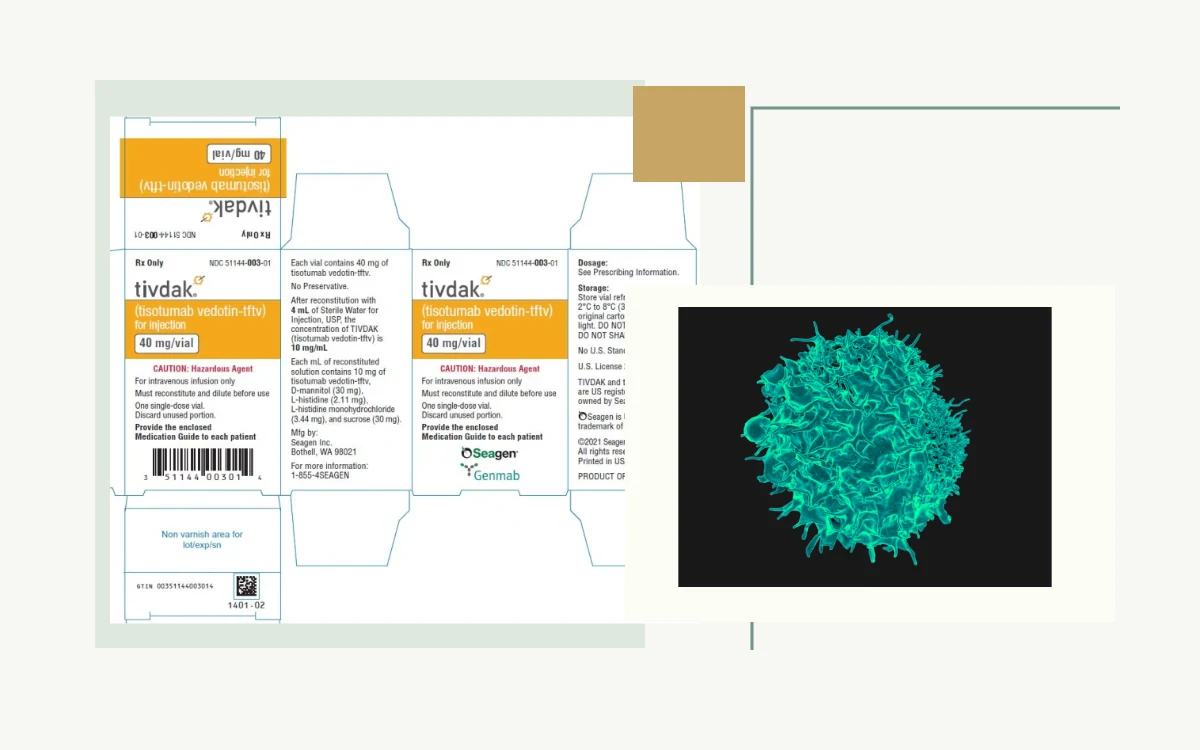
TIVDAK (tisotumab vedotin) is an antibody-drug conjugate: an antibody linked to a cell-killing drug. It works differently from conventional chemotherapy, but its payload is cytotoxic and it can also harm healthy cells. The FDA indication covers certain adults with recurrent or metastatic cervical cancer after chemotherapy.
Official sources and the next step
The manufacturer warns of potentially severe eye problems. Decisions about treatment, eye monitoring and other precautions belong to your oncology team. Uwell coordinates inquiries and practical arrangements; this article does not confirm treatment availability in China.
What is an Antibody-Drug Conjugate (ADC)?
An antibody-drug conjugate (ADC) is a type of targeted therapy designed to deliver treatment directly to specific cells. As defined in the NCI dictionary of cancer terms [1], an ADC consists of a monoclonal antibody connected to a drug—often a chemotherapy agent. TIVDAK specifically utilizes an antibody designed to recognize Tissue Factor, attached to a microtubule inhibitor (a chemotherapy drug). The objective is for the antibody to seek out the Tissue Factor on the surface of cervical cancer cells, bind to it, and then release the chemotherapy payload directly into the target cell. While this mechanism is designed to concentrate the drug where it is needed, it is vital to understand that this targeted delivery does not mean it causes no harm to other cells. TIVDAK carries significant warnings for serious toxicity, contradicting any assumption of blanket safety.
FDA Indication for TIVDAK
In April 2024, the US FDA granted traditional full approval for TIVDAK [2]. This approval is specifically for adult patients with recurrent or metastatic cervical cancer whose disease has progressed on or after prior chemotherapy. This means that TIVDAK is not indicated as a first-line treatment for all cervical cancer patients, and the US indication described here does not cover other cancer types. Furthermore, regulatory authorization in the US does not imply that the medication is approved, stocked, or available in Chinese hospitals. Access to treatments varies strictly by jurisdiction, and local clinical guidelines must always be followed.
The Role of Tissue Factor
Tissue Factor is a protein that is frequently expressed on the surface of cervical cancer cells, recognized by the antibody component of TIVDAK. TIVDAK's antibody component is engineered to bind to this specific protein. However, the presence of Tissue Factor alone does not automatically make someone a candidate for this treatment. Your oncology team will evaluate your complete medical history, previous treatments, and overall health status before considering TIVDAK as a therapeutic option.
What the Mechanism Does Not Imply
Understanding how TIVDAK works at a cellular level is important, but a biological mechanism does not forecast an individual patient's treatment outcome. Moreover, the targeted nature of an ADC does not eliminate side effects. TIVDAK carries a severe boxed warning for ocular toxicity, which can lead to severe vision loss or corneal ulceration. It also poses risks for peripheral neuropathy (nerve damage), severe hemorrhage (bleeding), pneumonitis (lung inflammation), and embryo-fetal harm [3]. Patients must undergo rigorous monitoring for these severe safety concerns.
Discussing Suitability and Access
Decisions regarding your cancer care must be made in close consultation with your clinical team. They will weigh the potential benefits against the significant risks and determine if your specific health profile aligns with the FDA-approved indication. Uwell can help coordinate enquiries, organize your medical records, and facilitate triage via our oncology contact page. However, Uwell does not diagnose, prescribe, or collect medical fees; all medical costs are quoted and collected directly by the providing hospital or clinic.
Indication, source date and coordination scope
In the United States, TIVDAK is indicated for adults with recurrent or metastatic cervical cancer whose disease has progressed during or after chemotherapy.
Source scope: US prescribing information revised November 2025, checked 17 September 2026. This US indication does not establish authorization, stock or access in China. Uwell coordinates enquiries and records; clinical decisions and medical fees remain with the provider.
Sources
[1] NCI Dictionary of Cancer Terms: Antibody-Drug Conjugate
[2] FDA: FDA approves tisotumab vedotin-tftv for recurrent or metastatic cervical cancer
Frequently asked questions
Is TIVDAK approved for all types of cancer?
Does an antibody-drug conjugate have fewer side effects than traditional chemotherapy?
This article was produced with AI assistance and reviewed against Uwell Cloud editorial and compliance standards.