โœฆ
UWELL CLOUD YOU JIAN YUN
Consultation

How International Patients Access BNCT in Hainan's Boao Lecheng Zone
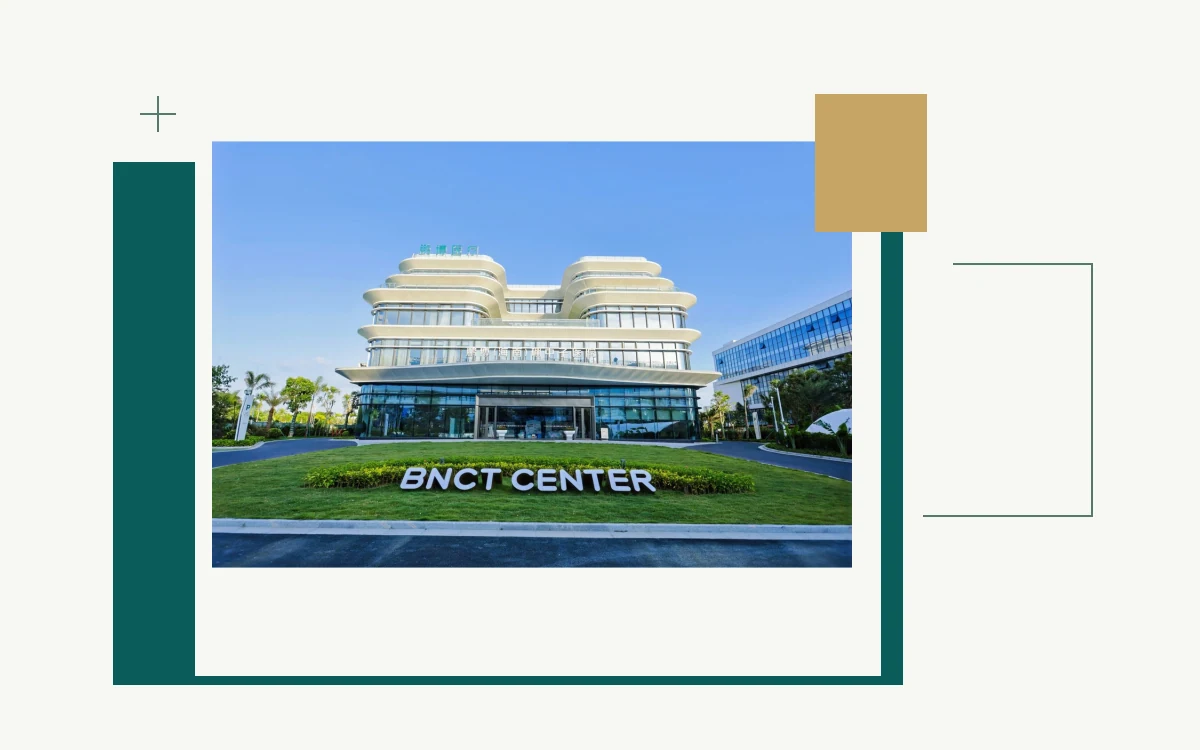
Boron neutron capture therapy (BNCT) is offered to international patients at the Boao Lecheng International Medical Tourism Pilot Zone in Hainan, China. Access follows a defined pathway: remote records review, an invitation letter, visa-free or visa-based entry, in-hospital treatment, and remote follow-up. This guide explains each step, based on pilot-zone policy and cases publicly reported by the treating hospital.

What is BNCT, in brief?

Boron neutron capture therapy is a two-step radiotherapy technique described in peer-reviewed clinical literature. A boron-carrying drug is infused intravenously and accumulates preferentially in tumour cells. The patient is then exposed to an epithermal neutron beam: when boron-10 captures a neutron, it splits into an alpha particle and a lithium ion whose range is shorter than a single cell diameter, concentrating the radiation dose inside boron-loaded cells while sparing most surrounding tissue.

The platform used in Hainan pairs an accelerator-based neutron system with the boron agent borofalan. According to the hospital and the system's Japanese developers, this combination was approved in Japan in 2020 for certain head and neck cancers and has since been used in a substantial number of treatments there. BNCT is an option evaluated case by case โ€” it is suitable only for specific tumour types, locations and disease stages, and eligibility is always a clinical decision.

Why Boao Lecheng: the pilot-zone policy

The Boao Lecheng International Medical Tourism Pilot Zone in Hainan operates under a special national policy that allows licensed hospitals inside the zone to use drugs and medical devices already approved in other major jurisdictions before they receive nationwide approval in China. This is the legal mechanism that makes treatments such as BNCT available in Lecheng earlier than elsewhere in the country.

According to its own public materials, the boron neutron capture therapy hospital operating in Lecheng completed its first clinical treatment in March 2026 and describes itself as the first institution in mainland China approved to deliver clinical BNCT. Uwell presents these statements as the hospital's own; patients should verify licensing status during their individual consultation.

Step 1: remote records review before you travel

The pathway starts at home, not at the airport. The patient (or a coordinator acting for them) submits existing medical records for review: pathology reports, recent imaging such as PET/CT, and a full treatment history. The hospital's multidisciplinary team then holds a remote consultation to assess whether the case matches BNCT indication criteria โ€” for example tumour type, location and the absence of contraindications.

Only after this review confirms a potential indication is travel arranged. In the cross-border case the hospital has described publicly, the remote assessment was completed before departure, so the patient flew knowing a treatment plan was in place rather than travelling on speculation. This pre-screening step protects patients from an expensive journey that ends in a refusal on arrival.

Step 2: invitation letter and entry โ€” the visa-free route

Once the indication is confirmed, the hospital or its service partner issues the paperwork for entry: an invitation letter, appointment confirmation and supporting documents. Hainan operates a visa-free entry policy that, as publicised by the provincial authorities, covers citizens of 86 countries for stays of up to 30 days with ordinary passports, and medical purposes are among the accepted reasons for entry.

For eligible nationalities this removes the visa queue entirely โ€” patients can book a flight as soon as the clinical green light is given. Citizens of countries not on the visa-free list apply for a regular visa, supported by the hospital's invitation letter. Because timing matters in oncology, checking your nationality's entry status is one of the first things a coordinator will do.

Step 3: arrival, admission and the treatment session

In the pathway the hospital has described for international patients, arrival logistics are handled by its international service team: airport pickup, an interpreter for the patient's language, and transfer to the zone. Admission workup โ€” blood panels, liver and kidney function, coagulation, ECG โ€” is scheduled on the day of admission, and radiotherapy target delineation begins in parallel.

On treatment day, the boron agent is infused in the morning; once the drug has distributed, the patient enters the irradiation room for a neutron-beam session that, per the hospital's account, lasts on the order of 30 minutes. The patient then remains under observation. The number of sessions and any additional treatment of other lesions are decided by the clinical team for each individual case.

A reported case, and what follow-up looks like

In 2026 the hospital publicly described its first international case: a patient from Russia with a recurrent head and neck tumour who had exhausted standard chemotherapy and immunotherapy options. According to the hospital's account, the patient entered under the visa-free policy after remote records review, was admitted the day after arrival, and received a BNCT session three days later. The hospital reported that in this case facial pain had eased by the following day, and its clinical director said the disease could potentially remain stable in the long term with further planned treatment and systemic management.

These are the hospital's statements about one reported case โ€” they are not a promise of outcomes, and individual results vary widely. After discharge, follow-up is coordinated remotely: imaging performed at home is reviewed by the treating team, and further sessions or complementary therapy are discussed with the patient's local oncologist. Uwell's role is coordination โ€” records transfer, scheduling, interpretation and logistics โ€” while all clinical decisions remain with the treating physicians.

Frequently asked questions

Who may be eligible for BNCT in Hainan?
Eligibility is decided case by case by the hospital's multidisciplinary team after reviewing pathology, imaging and treatment history. The Japan-approved indication centres on certain head and neck cancers; other situations are assessed individually. A remote records review before travel is the standard first step.
Do I need a visa to enter Hainan for treatment?
Citizens of the 86 countries covered by Hainan's visa-free policy may enter with an ordinary passport for up to 30 days, including for medical purposes, according to the provincial policy. Other nationalities apply for a regular visa supported by the hospital's invitation letter.
How long does the whole process take?
In the case publicly reported by the hospital, the on-island portion โ€” arrival, admission workup, treatment and discharge โ€” took about a week, with the records review completed remotely beforehand. Individual timelines depend on the treatment plan and may be longer.
How much does BNCT in Hainan cost?
Uwell does not publish prices, because costs depend entirely on the individual clinical plan. Request a free records pre-screening and you will receive a personal assessment, including an itemised plan from the hospital, before making any decision.

This article was produced with AI assistance and reviewed against Uwell Cloud editorial and compliance standards.

Important medical & regulatory notice. This page is for general information only and is not medical advice, a diagnosis, a prescription, or a guarantee of any outcome. Treatment availability and eligibility for any individual are determined solely by clinical review at the treating hospital. Uwell Cloud is an international medical-travel coordinator, not the treating provider.
Request a free records pre-screening
โ† All insights